Have You Ever Found Yourself Sneaking Out of Your Own House Just So Your Toddler Will Go to Sleep?
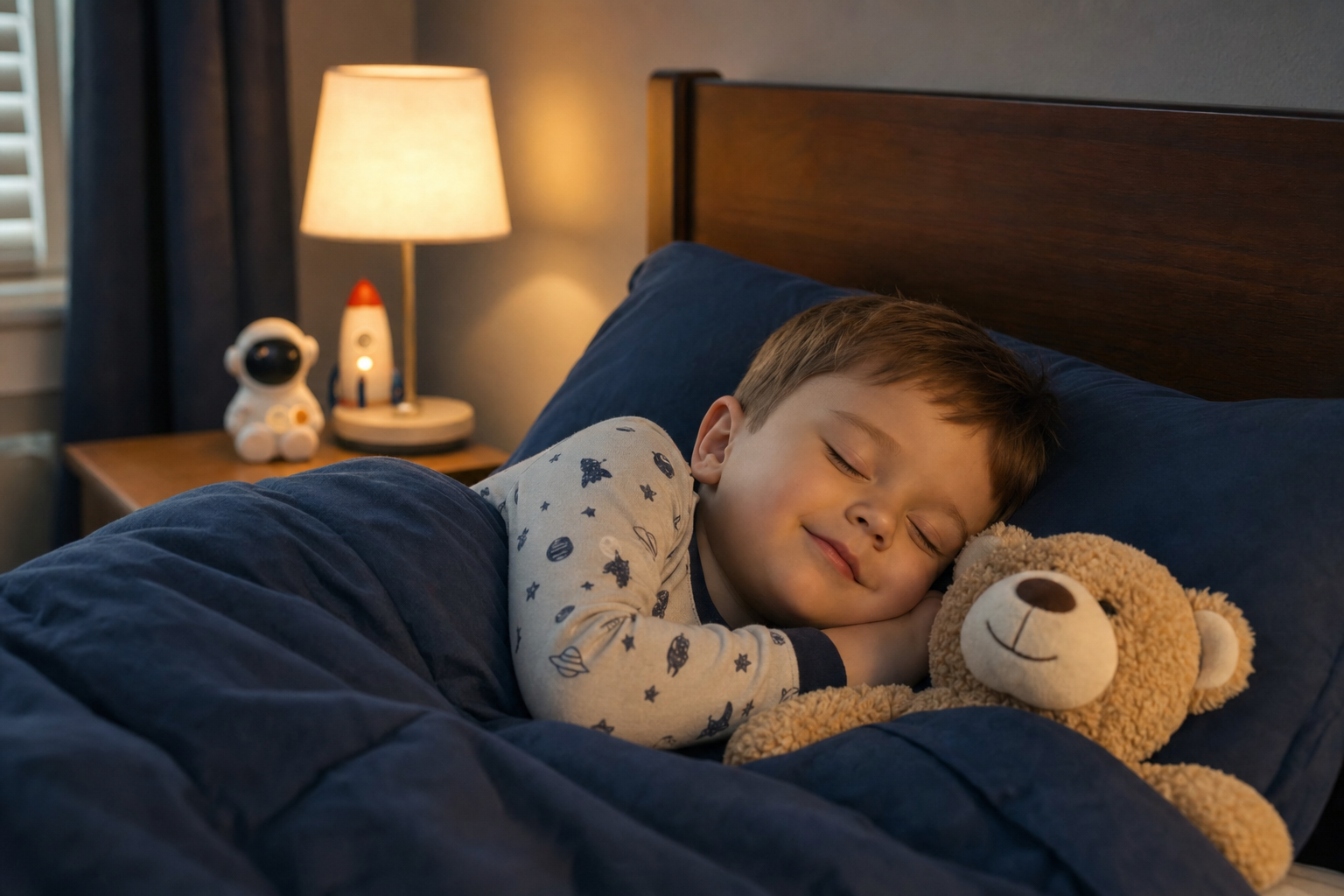
Let me be clear from the start: I'm not one of those gloriously busy parents who only see their kid at bedtime and are completely absent during the day. In fact, I've got the luxury of being home for our son's bedtime every single evening. And yet, here's the kicker — unless both my wife and I physically leave the house at bedtime, our 4.5-year-old son simply refuses to sleep in his own bed.
At first, it felt like a parenting puzzle wrapped in mystery. How could leaving the house be the magic key that gets him to settle down? We tried everything: reading stories, lullabies, reward charts, consequences, gentle coaxing — the usual parenting arsenal — yet none brought steady success. Instead, our bedtime battle slowly morphed into a nightly ritual of us "sneaking out" just so he would fall asleep where we wanted him to.
It's funny and heartbreaking all at once. On one hand, it's baffling that a toddler could hold such sway over our actions. On the other, it's a clear reminder of how deep a child's needs for security and belonging run — especially at night.
Our son isn't "difficult" in any traditional sense; he's affectionate, bright, and curious. But bedtime has become the line where independence meets emotional vulnerability, and it's clear he's not ready to cross that line while one or both of us are present. And I mean both of us — if my wife stays home while I step out, same result. If I stay home while she steps out, same result. The only variable that changes the outcome is both of us being completely out of the house by 7:30pm.
Our Bedtime Reality: No Stories, No Negotiations, Just Family Bed
Unlike many bedtime adventures parents recount, our evenings don't feature elaborate rituals or negotiations. There are no bedtime stories in his room, no "five more minutes" standoffs. Instead, there's a steady and unwavering rule from our son's perspective: if either of us is still in the house, it's the family bed all the way.
This isn't an occasional thing. This isn't a phase we've been through once or twice. This is every single night, without exception, at 7:30pm sharp. The moment either of us is in the house when bedtime rolls around, the outcome is predetermined: family bed. No amount of reasoning, gentle redirection, or creative negotiation changes this. We've tried it all.
This doesn't come from stubbornness or manipulation. It comes from a need for security — a child who, every night, seeks the comfort of his family's closeness as a buffer against the vulnerability of sleep.
We tried every conventional and modern recommendation, from weighted blankets to night lights and sound machines. None of it made a significant difference. The pattern is simple and unbreakable: either we're both absent, or it's the family bed.
The Accidental Solution: Engineering Our Own Absence
In parenting, sometimes you don't find solutions — solutions find you. For us, that meant adopting an unorthodox strategy that feels both strange and clever: engineering our joint absence at bedtime. We schedule our evenings carefully, ensuring that both my wife and I are physically out of the house at 7:30pm.
This might mean us grabbing dinner out, stepping out briefly for errands, or me taking a work call outside while my wife steps out separately. It's a coordinated, choreographed dance of exit — both of us sneaking out so our son can sleep. And it works. Every time.
By engineering our absence, we've taken control of a situation that otherwise felt like a nightly power struggle. It's a way to give him space to develop independent sleep while respecting the emotional readiness he needs to make that leap.
Granted, this doesn't stop our son from "migrating" back into our bed later at night — usually somewhere between 1 and 3am. But even that has its upside. At least the initial stages of sleep — the most critical for rest — happen in his room, giving us some breathing room before the inevitable arrival of small feet.
In the whirlwind of parenting two young children — with a 6-month-old who demands frequent night wakings — every little victory counts.
What the Experts Say About Co-Sleeping and the Family Bed
Before you judge our somewhat unorthodox workaround, let's look at what experts say about co-sleeping and family bed dynamics. The research is nuanced and often culturally influenced.
The American Academy of Pediatrics (AAP) warns against co-sleeping with infants, highlighting increased risks such as Sudden Infant Death Syndrome (SIDS) and accidental suffocation. However, they make distinctions when it comes to toddlers and older children, recognising that many families find comfort and practicality in shared sleeping arrangements once the infant phase passes. [1]
The Child Mind Institute explores the emotional benefits of family beds, noting that co-sleeping can foster emotional security and closeness, but also cautioning that prolonged sharing may occasionally interfere with a child's development of independent sleep skills and parental rest. [2]
Dr. Jodi Mindell, a renowned paediatric sleep specialist, emphasises the importance of consistency and gradual transitions. She advocates for routines that nurture closeness but encourage self-soothing and independence over time — and stresses that there's no "one size fits all" approach. Every child's temperament, family situation, and needs differ. [3]
Zero to Three highlights how sleep arrangements evolve alongside childhood development stages, stressing flexibility — particularly in families juggling multiple children of different ages. [4]
What all this suggests is that our family's approach, while unconventional, sits within a broad spectrum of normal and adaptive parenting strategies. Framing our strategy as a compromise — balancing our son's emotional comfort with the practical need for everyone to get rest — is actually quite empowering.
Expert-Recommended Methods for Weaning Off Co-Sleeping — and How We Compare
For parents seeking to gently transition kids out of family beds, there are several well-regarded approaches:
The Fading Method — Best for: children who need a parent present to fall asleep
• Night 1–3: Sit right next to your child's bed until they fall asleep.
• Night 4–6: Move your chair to the middle of the room.
• Night 7–9: Move to just inside the doorway.
• Night 10–12: Sit just outside the door, in view.
• Night 13+: Move further down the hallway until you're no longer needed.
• Keep your interaction minimal — no chatting, no eye contact, just calm presence. The goal is to become gradually less interesting than sleep.
The Chair Method — Best for: children who are anxious about being left alone
• Place a chair beside your child's bed at bedtime and sit quietly until they fall asleep.
• Every 2–3 nights, move the chair a little further from the bed — toward the door, then into the doorway, then just outside.
• If your child calls out or gets up, calmly return them to bed with minimal fuss and minimal words.
• The key is consistency — same chair, same routine, same calm energy every night.
• Most children adjust within 2–3 weeks.
Gradual Independence / The Routine Method — Best for: children who respond well to structure and predictability
• Build a consistent 20–30 minute wind-down routine: bath, pyjamas, one book, lights out. Same order, same time, every night.
• Use a visual bedtime chart your child can follow themselves — it shifts the authority from you to "the routine."
• Introduce a comfort object (a special stuffed animal or blanket) that is only for bedtime — it becomes their sleep anchor.
• Use a "bedtime pass" — one physical card your child can hand you to call you back once. After that, the door stays closed. Research shows this dramatically reduces curtain calls. [5]
• Praise and reward in the morning for staying in their own bed — sticker charts work well for ages 3–6.
We haven't formally tried any of these methods — and honestly, I can already tell why they wouldn't work for us. All three assume the child doesn't know you're still in the house. Our son absolutely does. He can sense our presence from another room. The knowledge that we're nearby is, in itself, the trigger. No amount of gradual chair-moving is going to fix that.
So rather than invest time and emotional energy into approaches that are fundamentally incompatible with how our son is wired, we arrived at our current approach — what I've started calling "Operation Leave the Premises" — which, while unorthodox, spares everyone from tears, tantrums, and epic standoffs.
We're always mindful that this is temporary. We view it as a phase that will naturally evolve as he grows more comfortable and confident in his independence.
One more option worth mentioning: a professional sleep trainer. For many families, bringing in an expert is genuinely one of the best investments they make. A good sleep trainer doesn't just give you a generic plan — they assess your child's temperament, your family's routine, and your own parenting style, and build something that actually fits. The results can be transformative, and many parents wish they'd done it sooner. If this is something you're considering, we'd highly recommend reaching out to Margot Carpenter, a renowned sleep trainer and one of our own Minisport parents. She's brilliant, warm, and knows her stuff.
The Emotional Whirlwind: Guilt, Relief, and Everything In Between
Parenting is as much a journey through emotions as it is through practical challenges. For me, the nightly sneak-outs carry a heavy mix of guilt, relief, resignation, and sometimes secret triumph.
There's a societal narrative about "being there" — about the parent who sings lullabies, tucks in their child, and shares tender moments as they drift off to sleep. By engineering our absence, I sometimes worry that we're missing out on those idealized memories. Am I failing as a father if I'm not the bedtime hero?
Then there's the relief, pure and simple. After a day filled with noise, feeding demands from the baby, work stresses, and the typical chaos of family life, finally having a moment of quiet where he's lying in his own bed — even if we're not physically present — is a precious gift.
The guilt and relief dance a complicated tango. There are nights I lie awake wondering if our "escape" is truly best for him in the long run. Yet the truth is more nuanced and raw: sometimes the kindest thing we can do is step back in whatever way works.
I've found that sharing this unconventional approach with other parents helps normalise these emotional complexities. Many parents confess to feeling similarly — guilt over perceived parenting shortcomings, relief when an unorthodox trick works, and a constant recalibration of "what's right" for their family.
Parenting is a journey without a map. There's no "perfect" way — only the best we can do in each moment.
Advice for Parents Facing the Same Challenge
If you're nodding along because your bedtime experience mirrors ours, here are some thoughts from the trenches:
Accept the unpredictability. Every child and family is unique. Don't feel pressured to slavishly follow one parenting book or method. What works for one child might not for another, and that's okay.
Honour your child's emotional readiness. If your child is showing signs of attachment or anxiety at bedtime, try to meet that need with empathy first. You can encourage independence, but rushing the process can backfire.
Try flexible routines. Bedtime doesn't have to be rigid. Build in rituals that feel comforting even if they're different from the "norm." For us, this means acknowledging that sometimes the best step is physically leaving the premises.
Communicate with your child. At 4.5 years old, our son enjoys simple conversations. We talk about bedtime as a fun adventure — "Tonight, you get the whole room to yourself like a big boy!" — which helps frame independence positively.
Be kind to yourself. Parenting is hard. If your approach isn't textbook-perfect, that's fine. What matters most is that your child feels loved, safe, and secure — and that you're doing your best with the tools and energy you have.
A Final Word: This Phase Won't Last Forever
Right now, I'm content to embrace our quirky bedtime routine, warts and all. I'm also a bit hopeful that one day the family bed will no longer dominate our nights — but I'm in no rush.
These years — when children want their parents close, when they reach for you in the dark, when your presence is the most comforting thing in their world — are fleeting. I tell myself: this phase won't last forever, and it's okay to indulge closeness now, even if it means some creative logistical gymnastics for the adults.
Whether in the bustling city of Hong Kong or anywhere else in the world, you're not alone in this. Here's to the restless nights, the gentle breakthroughs, the quiet victories, and the unyielding resilience of parents everywhere.
— Matt, Founder, Minisport HK
References
[1] American Academy of Pediatrics. "Safe Sleep Recommendations." Pediatrics, 2022. https://www.aap.org
[2] Child Mind Institute. "Co-sleeping and Your Toddler: What Parents Should Know." https://childmind.org
[3] Mindell, J.A. & Owens, J. A Clinical Guide to Pediatric Sleep: Diagnosis and Management of Sleep Problems. Lippincott Williams & Wilkins, 2015.
[5] Friman, P.C. et al. "The Bedtime Pass: An Approach to Bedtime Crying and Leaving the Room." Archives of Pediatrics & Adolescent Medicine, 1999.
Matt, founder of Minisport HK, shares the honest truth about co-sleeping with his 4.5-year-old — and the unconventional solution that actually works: both parents leaving the house by 7:30pm every single night.
Our brand-new Minisport Hub is officially open, offering summer camps, weekend drop-ins, and Term 1 classes in a fun, safe, and modern environment. We’re also excited to share we have introduced cricket to term 1, refreshed our coaches’ first aid skills, and enjoyed a team day out. Plus, we’re expanding globally — Minisport Taiwan is launching soon!
While caffeine is a common part of many adults’ daily routines, even small amounts can pose serious health risks for young children. This guide explains why children are especially vulnerable to caffeine’s effects, outlines safe intake limits by age group, and helps parents make informed choices to protect their child’s health.
The most common elbow injury in toddlers comes from the most innocent moment — swinging them by the hands. Here's the science, the signs, and the simple swap every parent needs to know.
Flying with a toddler is often a recipe for stress — but it doesn’t have to be. From navigating HKIA’s busy terminals to keeping your little one entertained at 30,000 feet, this guide shares surprising hacks to make your next flight smoother and preserve your sanity.
In this post, we break down our new graduation system, our three development pillars, why the programme now ends at age five, and what’s changing in Term 1 — from themed games and app resources to new coaches, new equipment, and free beach events for Term 1 enrolled families.