The two types of first session
Some children walk into their first session and never look back. Within minutes they're in the thick of it, coach's new best friend, already asking when they can come back. If this is your child, you'll know it immediately — and it's a wonderful thing to witness.
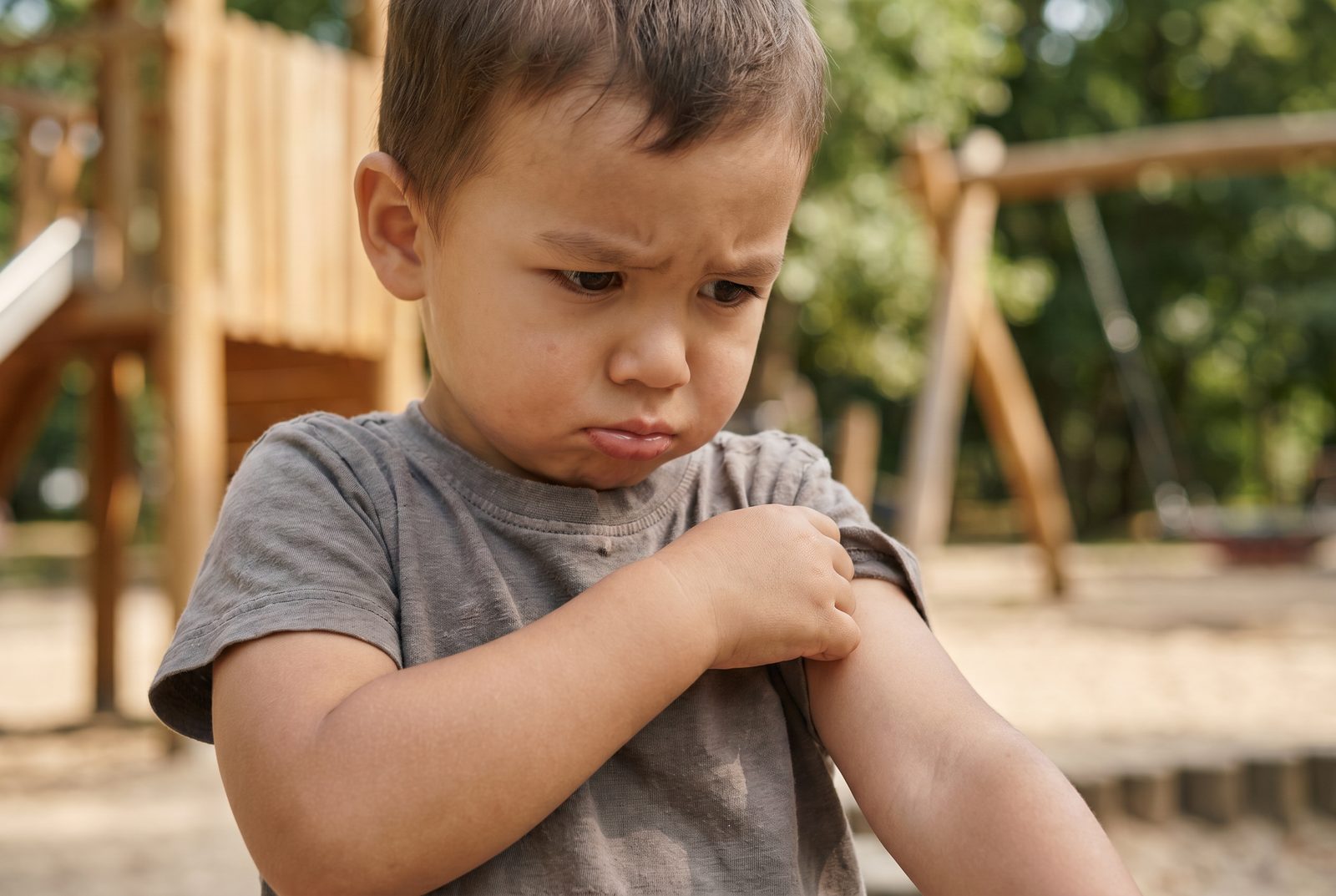
Other children take a little longer to find their footing. Not because something is wrong, and not because the environment isn't right for them — but because that's simply how they're wired. Cautious. Observant. They need to decide for themselves that something is safe before they'll invest in it. These are often the same children who, once they commit, commit completely.
Both paths lead to the same place. And the right environment doesn't just accommodate both — it's specifically designed to support them.
How children typically start out
1. The duck to water
Runs in without looking back. High energy, high engagement, immediately at home in a group setting. Sessions can't come around fast enough. For these children, the challenge isn't getting them in the door — it's channelling that enthusiasm into genuine skill-building rather than just excitement.
2. The steady warmer
Stays close at first, observes carefully, warms up on their own timeline. Once they decide it's safe, they're all in — and often become the most consistent, most coachable children in the group. For these children, the early weeks are about trust-building, not performance.
Neither of these children is more "sporty" than the other. Neither is more likely to thrive long-term. They're just wired differently. What matters is that the adults around them know how to respond to each.
What the environment needs to do for both
Child development research is consistent on this: the quality of early movement experiences is shaped less by the activity itself and more by the relational and structural conditions surrounding it. In plain terms — it's not what they're doing, it's how the people around them make them feel while they're doing it.
Here's what that looks like in practice at Minisport:
Developmentally attuned language and encouragement
Children aged 2–6 are in a critical period for self-concept formation — the stories they begin to tell about themselves as capable or incapable, brave or frightened, sporty or not. Our coaches use specific, process-focused praise («I noticed how you kept trying after that») rather than generic validation («good job»). This builds intrinsic motivation rather than performance anxiety, and it sounds completely different to a child's nervous system than cheerful but undifferentiated enthusiasm.
Coaches trained to a consistent standard
Inconsistency is genuinely destabilising for young children. When expectations, language, and interaction style shift week to week depending on who's running the session, children spend cognitive energy re-calibrating the environment rather than engaging with it. Our rigorously trained coaching team — where every coach responds to the full range of children in the same developmentally informed way — removes that friction entirely. Predictability, for a 3-year-old, is safety.
Varied activities that rotate every two weeks
Novelty is a powerful motivator in early childhood — but unstructured novelty creates overwhelm. Our fortnightly sport rotation strikes the balance that developmental psychology recommends: enough variety to maintain engagement and build broad physical literacy, with enough repetition within each cycle that children can experience genuine competence before the activity changes. Competence, even in small doses, is what converts a reluctant child into a willing one.
Small groups that allow every child to be seen
In large group settings, quieter or more cautious children disappear. They comply without engaging, participate without thriving, and often go entire sessions without a single moment of genuine individual connection with a coach. Our small group structure changes this entirely — it creates the conditions for a coach to notice, respond to, and build trust with each child as an individual. For the steady warmer especially, being genuinely seen by a trusted adult is often the precise thing that unlocks engagement.
Weekly feedback that keeps parents in the picture
Parental anxiety about their child's progress — particularly in the early months — is one of the most common reasons families discontinue programmes prematurely. When parents can't see what's developing, they fill the gap with comparison, doubt, and often the wrong conclusions. Our post-session feedback via the Minisport app replaces that uncertainty with evidence: what their child attempted, what they responded to, what's emerging. Informed parents are calmer parents — and calmer parents produce calmer children at drop-off.
Preparing children at home before each new sport
One of the most underused levers in early childhood sport is the parent as primer. Research on anticipatory socialisation shows that children who arrive at a new experience having already heard about it — what it involves, what it might feel like, what they might enjoy — show significantly lower stress responses and higher initial engagement. Before each fortnightly sport rotation, we share a brief guide with parents so they can introduce the activity naturally at home. A child who has already «tried» football in the kitchen with mum walks into the session with a head start that has nothing to do with ability.
The middle months: where the real development happens
Regardless of how a child starts, the 4–10 month window is where the most meaningful shifts tend to occur. They're less visible than the early dramatic moments — no big first-session excitement, no milestone photos — but they're the ones that actually compound.
The look-back stops. At some point they stop checking that you're still watching. It sounds small. It isn't. It means the environment itself has become their anchor — not your presence at the edge.
They start asking to go. Not every week without fail. But the baseline shifts. Sessions become something that happens to their week rather than something imposed on it.
It shows up elsewhere. The monkey bars at the playground. Joining a game at a birthday party instead of hovering. Falling over and getting up without it becoming a moment. Physical confidence quietly becoming general confidence.
By month 12–18: what sport-ready actually looks like
Sport-ready doesn't mean athletic. It doesn't mean competitive. It means a child who walks into a new physical environment — a school sports day, a swimming lesson, a new activity on holiday — and approaches it with curiosity rather than dread.
In sessions: they encourage other kids. They attempt things they'd have refused at the start. When something doesn't go right, they recover faster — not because they care less, but because they trust themselves more.
At school: teachers notice. Group activities become something they initiate rather than avoid. They have a physical identity — they think of themselves as someone who moves, who tries, who belongs in active spaces.
At home: sport has become part of who they are, not something done to them. They talk about their coach by name. Saturday mornings have a different feel.
This is where the two paths converge. The child who ran in on day one and the child who needed six sessions to feel comfortable are, by this point, often completely indistinguishable. Both confident. Both capable. Both with a relationship to movement that will serve them for years.
The one thing that determines the pace of the journey
It's not talent. It's not personality type. It's not even which path they started on.
It's the consistency of the environment around them — week after week, coach after coach, sport after sport — and whether the adults in that environment genuinely understand what a child at this age needs in order to feel capable.
The families we see get the most from this aren't the ones whose children were easiest at the start. They're the ones who showed up regularly, stayed informed, and trusted that the process was working — even when the evidence was quiet.
The goal was never a trophy. It was a child who walks into new environments and thinks: I can do this. I've done new things before. I know how this goes.
Want to find out which kind of starter your child is?
If you're trying to decide whether now is the right time, the honest answer is that we won't know until they're in the room. What we do know is that the right environment makes both paths shorter, smoother, and a lot more enjoyable for everyone involved. We'd love to find out which kind of starter your child is — and help them find their way to the same destination.