The Parent FOMO Trap That’s Impossible to Escape

The 10-second takeaway
I have two boys—one is five and the other is just turning one—and I am no exception to the pressure of parenting social media. If other children’s milestones and routines leave you feeling anxious or desperate to do more, reset the feed, add friction to the scroll and come back to your own child.

I am a parent, and I know the feeling
I have two boys: one aged five and one just turning one, so I know how quickly an ordinary parenting question can turn into a comparison spiral. I am not outside this pressure; I experience it too.
A child is reading independently. Another is doing Mandarin, gymnastics and swimming. A third has apparently been sleeping through the night since the invention of sleep. Someone else seems to spend every afternoon outdoors, while another family has turned home time into a carefully planned learning environment.
Then I start asking: Should we book another class? Buy another book? Change our bedtime routine? Are we at home too much—or not doing enough at home? Is everyone else doing this better?
That is the parental comparison spiral: one social-media comparison triggers worry, which leads to more searching, more advice and more pressure to change something at home.
I am not writing as someone who has solved it. I am a parent who keeps noticing himself falling into it.

Parents have always compared children: who walked first, talked most, settled at bedtime or felt confident at school drop-off.
Social media changes the scale, speed and frequency of that comparison. As a parent in Hong Kong, I can compare an ordinary Tuesday with carefully selected snapshots from families worldwide: children learning languages, doing advanced maths, eating perfectly, riding bikes confidently, following routines, completing activities or reaching milestones unusually early.
I do not see the tired parent, difficult afternoon, extra support or failed attempts. I see the highlight; my brain fills in the rest.
Reviews find that parenting content can provide support, but also misinformation, overload and idealised-pressure effects. [1]

The feed does not know why you stopped scrolling
Social platforms learn from what you watch, like, save, follow and repeatedly pause over.
If I spend ten minutes staring at a post that makes me feel inadequate, the platform may interpret that as interest. It cannot tell the difference between “I love this.” and “I cannot believe this person is making me feel inadequate.”
Instagram says recommendations become personalised through the content and accounts people interact with. [2] This does not prove an algorithm causes anxiety. It does explain why searches about speech, sleep, school readiness or activities can quickly fill a feed with milestones and “things your child should be doing”.

FOMO is not information
Parenting FOMO often sounds responsible: “If we do not start now, will we miss the window?” “Should we add one more class?” “What if everyone else knows something we do not?”
A confident post about nutrition, maths, bike riding, screen time or home learning is not automatically evidence that its advice applies to my child—or yours.
A Hong Kong study of upper-kindergarten children found extracurricular participation was associated with some positive developmental measures. Like any single study, it cannot tell us how many activities are right for every child; interest, fit, rest and family capacity all matter. [3]
I am learning to notice the difference between a family-led decision and one guided by an invisible leaderboard.

What comparison can do to parents
The important finding is not that all comparison is harmful. It is that how the comparison feels matters.
Research with parents of children under five found that negative feelings during social-media comparisons were associated with lower parenting confidence and greater distress. Positive comparisons could sometimes encourage. [4] [5]
Sometimes I see a useful idea; other times I think, “I am already behind.” Researchers describe these reactions as upward identification and upward contrast. [6]
The goal is to notice when another child’s achievement starts feeling like a verdict on your parenting.

Practical ways to escape the parent FOMO trap
The aim is not a perfect digital detox. It is a less stressful online environment and a little more control over what reaches you.
Instagram
If available in your app, Instagram’s recommendation reset is under Profile → Menu → Content preferences → Reset suggested content. It can clear recommendations across Explore, Reels and Feed. [2]
Tap Not interested on posts that trigger comparison. Mute or unfollow accounts that leave you tense, guilty or ready to overhaul your children’s lives at midnight. Use Following or Favourites when you want to see accounts you deliberately chose. Stop hate-watching.
Try a ten-minute audit:
1. Keep accounts that leave you informed or calmly encouraged.
2. Mute accounts that trigger guilt, panic or frantic booking.
3. Search for what you need instead of waiting for the feed to serve it, then save the advice and close the app.
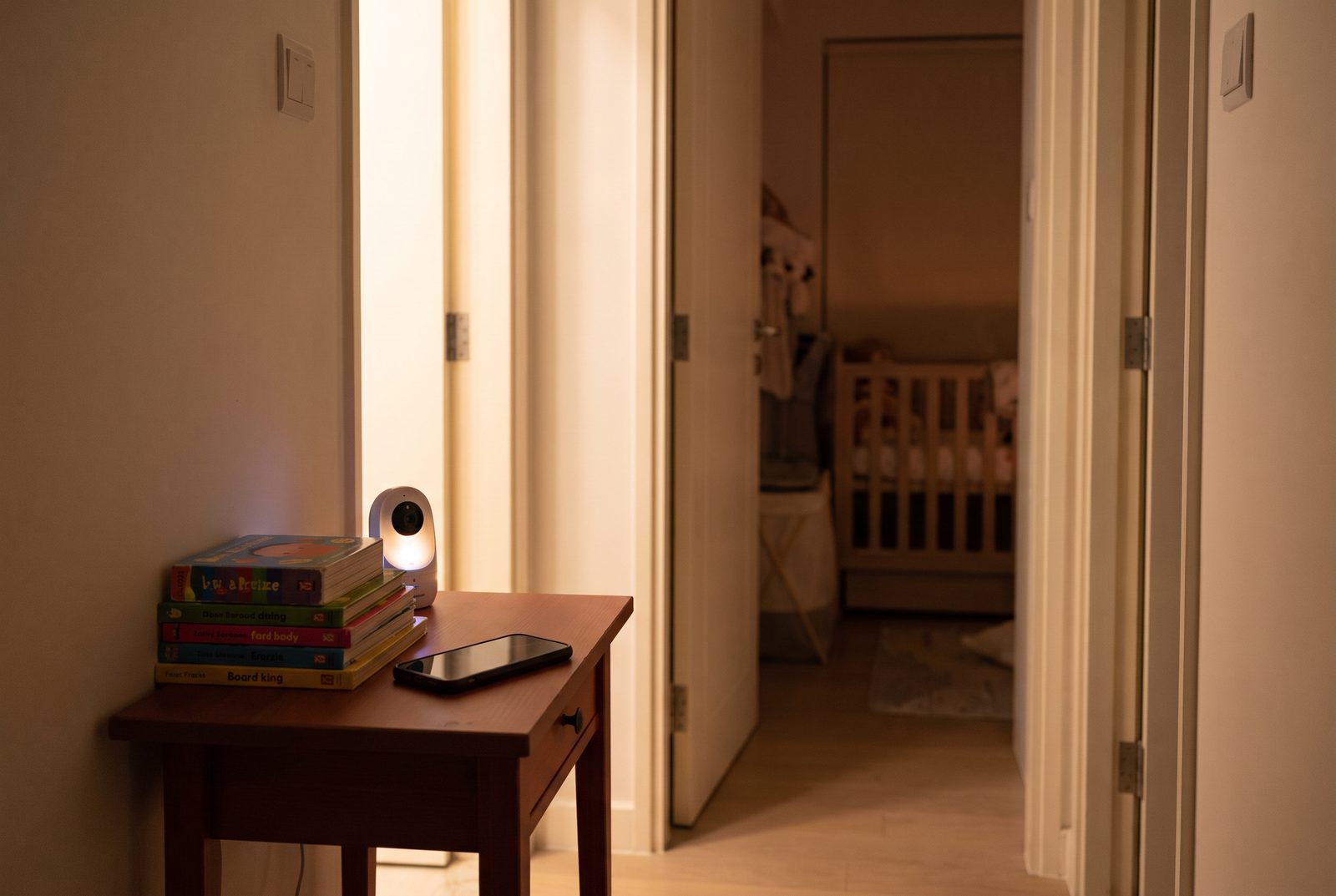
Reset the phone that keeps reopening the app
A cleaner feed will not help if the phone keeps inviting you back.
On iPhone: Use Settings → Screen Time for app limits or schedules, and turn off non-essential notifications. Scheduled Summary can group updates. [7] [8]
On Android: Use Settings → Digital Wellbeing for app timers, Focus mode and Bedtime mode. [9]
On either phone, remove social apps from the home screen, turn off red notification badges and charge the phone outside the bedroom.
Before changing your child’s routine, ask this
When a post gives you that sinking feeling, pause and ask:
Is my child showing a genuine need or interest—or am I reacting to someone else’s highlight reel?
Then use the Child / Family / Capacity filter:
• Child: Does this suit your child’s temperament, interests and current stage—or are you treating another child’s diet, maths ability or bike skills as a deadline?
• Family: Does it fit your values, budget, commute and energy?
• Capacity: Can you do it without sacrificing sleep, free play, connection or calm?
If the answer is “not now”, that is enough. You are not missing every opportunity; you are choosing which deserve space.

No parent has a perfect blueprint
There is no perfect blueprint for raising a five-year-old or a one-year-old—only real children with different rhythms, and adults with finite time, money, patience and battery percentage.
Being a parent does not remove the pressure. Knowledge does not stop comparison, and caring about your children does not require monitoring every milestone on the planet or copying another family’s timetable.
The practical response is to reset the feed, put friction between yourself and the scroll, keep the useful advice and mute the rest.
When the question returns—“Are we doing enough?”—try answering:
“We are paying attention. We know our children. We can choose the next right thing for our family today.”
That is parenting—not falling behind.
A note on the evidence
The research discussed here is mostly observational and international. It shows associations, not that social media causes every parent’s anxiety. Parenting content can provide genuine support as well as pressure. If worry, low mood or anxiety becomes persistent and makes daily life much harder, consider speaking with a GP or qualified mental-health professional.
References
[1] Parenting Information on Social Media: Systematic Literature Review
[2] Reshape Your Instagram With a Recommendations Reset
[3] Extracurricular Participation and Young Children’s Outcomes in Hong Kong
[4] Parents’ Feelings, Distress, and Self-Efficacy in Response to Social Comparisons on Social Media
[5] Parents’ Social Comparisons Online, Distress, and Self-Efficacy
[6] Parental Social Comparisons and Parent–Child Closeness in Families with Preschool Children
[7] Apple Screen Time Schedules and Time Allowances
[8] Apple Notification Reduction Tools
[9] Google Android Digital Wellbeing